

How to Budget for a Kitchen Build Without Surprises
Does the thought of starting a kitchen renovation feel exciting but also stressful? Many homeowners look forward to a new kitchen, yet the financial side often causes hesitation. You may wonder how much you should set aside, what hidden expenses might appear, and how you can avoid running out of funds mid-project.
When you don’t prepare properly, budgeting mistakes can lead to delays, compromises in quality, or unfinished projects. Costs creep up when materials are chosen without clear allowances or when contractors provide vague quotes. Stress grows as bills arrive that don’t match your expectations.
The good news is that you can avoid these issues by learning how to set and manage a budget for a kitchen build. With the right approach, you gain control of the numbers, make smarter choices, and feel confident that your renovation will finish on track. This blog will show you how to build a budget that works, highlight proven kitchen remodeling budget tips, break down the costs of a renovation, and guide you through estimating kitchen build expenses. By the end, you will have the tools to plan a kitchen that meets your goals without financial surprises.
How Do You Set A Realistic Budget For A Kitchen Build?
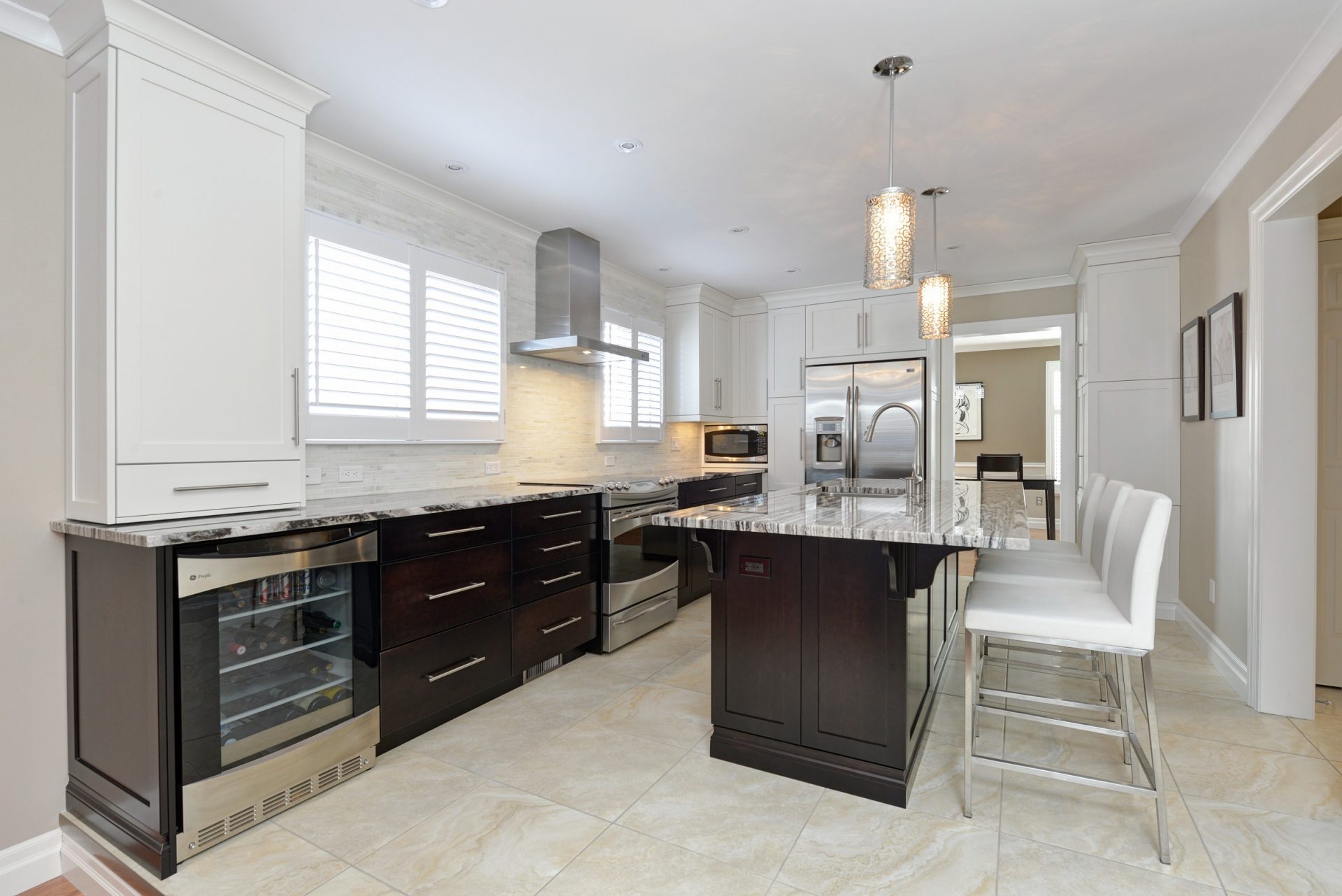
The first step is defining what “realistic” means for you. A budget is not just a single number, but a range that reflects the size of your project, the materials you select, and the quality you expect. Setting this number early helps you make every decision with clarity.
Start by getting a detailed quote from a kitchen design and build professional. A transparent quote outlines what is included and what is not, which prevents unpleasant surprises later. Be clear about what you want from your kitchen: do you picture a complete rebuild with new cabinetry, or a refresh that reuses existing structures? Knowing this upfront will keep your budget aligned with your goals.
Material selection is another factor that changes pricing dramatically. A quartz countertop will cost more than a laminate, but it may save you on maintenance over time. Flooring, cabinetry finishes, and hardware all vary in price. If your initial selections stretch your budget too far, ask your designer for alternatives. A dependable team will suggest more budget-friendly materials that still give you style and durability.
The key is balance: spend where it matters most for your lifestyle, and be flexible in areas where you can save without losing function. By building a budget for a kitchen build this way, you avoid setting unrealistic expectations.
What Kitchen Remodeling Budget Tips Help You Stay On Track?
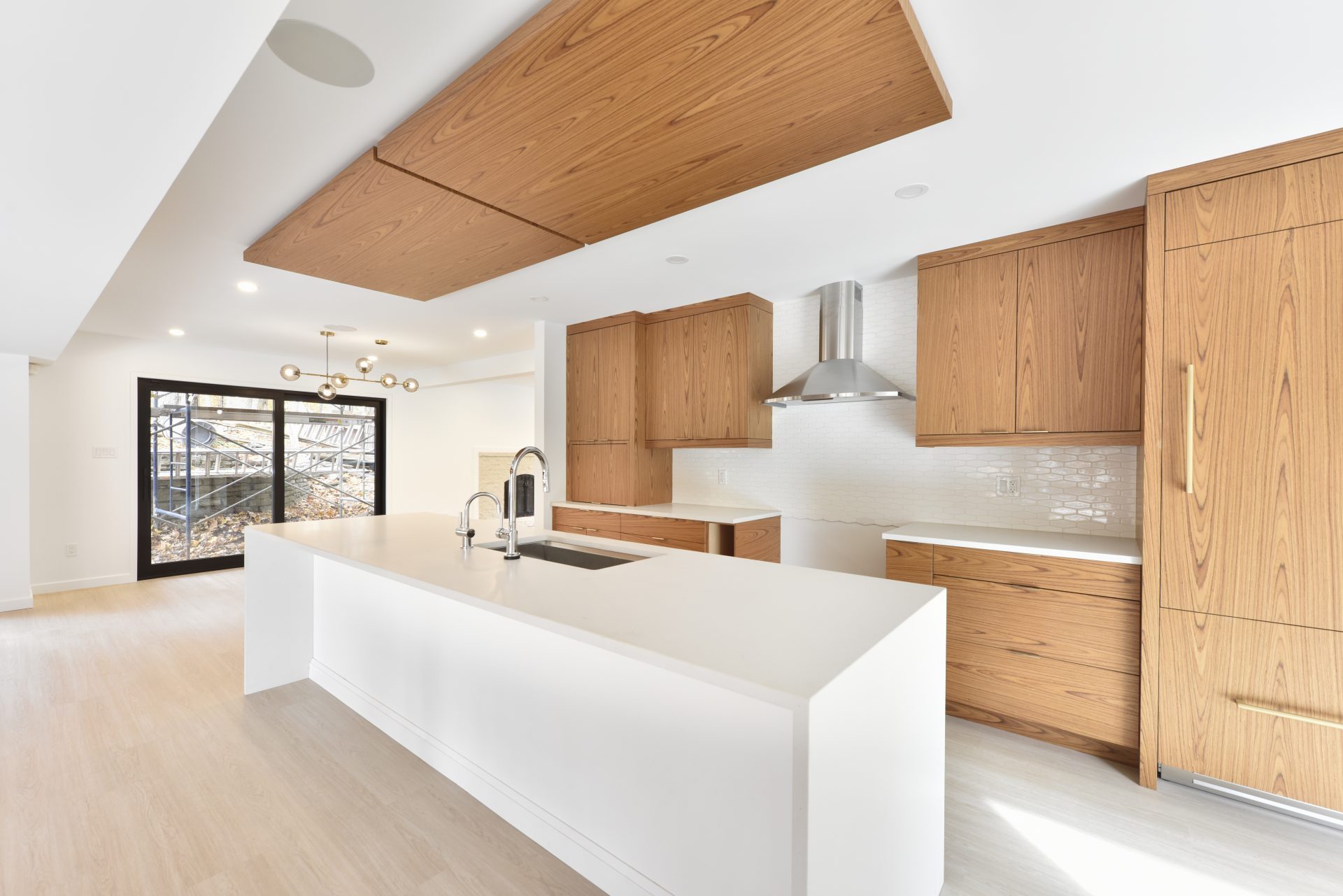
Even the best budgets can slip if you don’t manage them carefully. Renovations involve countless decisions, and every small change can affect the bottom line. To protect yourself from overspending, it helps to follow a few practical strategies that keep your numbers under control and your stress low.
Set Priorities Early
Before you start, decide which parts of your country-inspired kitchen matter most to you. For many homeowners, cabinetry and countertops take the lead because they affect both function and appearance. Others may prioritize appliances or flooring. By protecting these areas in your budget first, you leave less room for compromises later. If you need to adjust, you can do so in areas that don’t matter as much.
Add A Contingency
No matter how carefully you plan, unexpected costs can appear. It might be a plumbing issue revealed during demolition or a material delay that requires an alternative. Setting aside 10 to 15 percent of your total budget for a kitchen build gives you a cushion. With this contingency in place, you can handle surprises without derailing the project.
Track Spending Consistently
Keeping track of every invoice, purchase, and allowance helps you see exactly where your money is going. A simple spreadsheet or digital tracker is enough to give you real-time visibility. By checking regularly, you can spot when costs are trending higher and adjust before they become a problem.
Commit To Selections
One of the fastest ways budgets spiral is when homeowners change their minds halfway through. A different countertop material, a last-minute cabinet finish, or a new appliance model can quickly add thousands. Once you make your selections, stick with them. This discipline not only protects your budget but also keeps your timeline on track.
Following these kitchen remodeling budget tips gives you structure throughout the renovation. The more consistent you are with planning, tracking, and decision-making, the easier it is to stay confident and in control while your new kitchen comes to life.
What Factors Affect The Cost Breakdown Of A Kitchen Renovation?
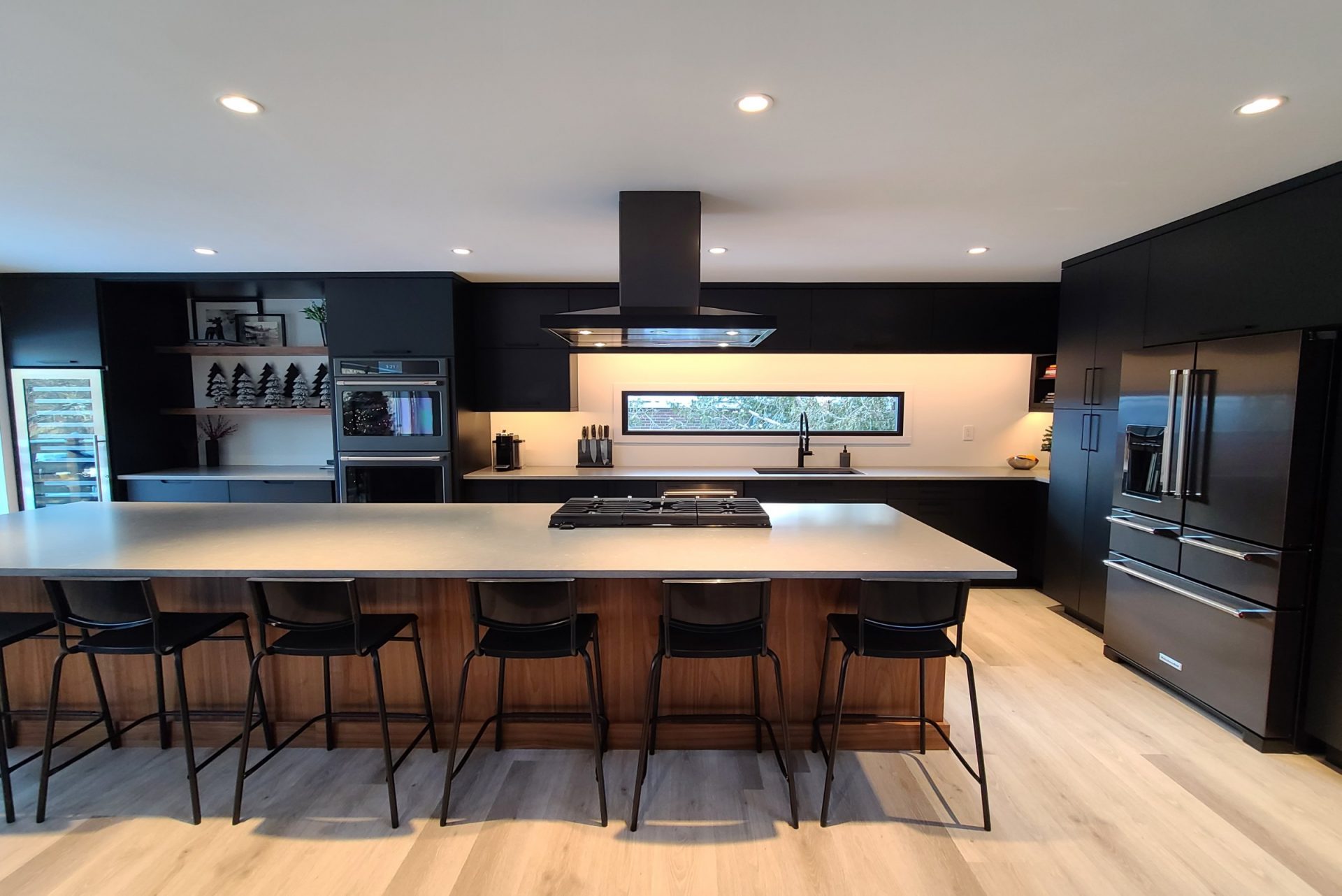
Understanding the cost breakdown of a kitchen renovation helps you see where your money is going. A renovation is not one large expense; it is a collection of smaller ones that add up.
- Cabinetry often takes the largest share of the budget, sometimes 30–40%. Custom cabinetry offers flexibility and durability, but it will cost more than prefabricated options.
- Countertops range widely depending on the material. Quartz, granite, laminate, or butcher block all have different price points.
- Appliances can vary from entry-level models to high-end professional equipment, significantly changing the total cost.
- Flooring and Lighting are frequently underestimated. Quality installation makes a big difference to longevity and function.
- Labour and Installation cover the skilled work of carpenters, electricians, plumbers, and project managers.
Choosing your contractor also affects cost. A reliable professional provides a detailed quote that explains exactly what you are getting, unlike lower estimates that leave out important items. At Sutcliffe Kitchens, homeowners benefit from transparency. You can even visit their showroom to see and touch the products before you commit. This way, you understand the quality you are paying for and avoid being misled by vague pricing.
Reviews and testimonials are another indicator of value. Contractors with a reputation for dependable service and honest work may not always be the cheapest, but they help protect you from costly mistakes and incomplete work.
How Do You Go About Estimating Kitchen Build Expenses?
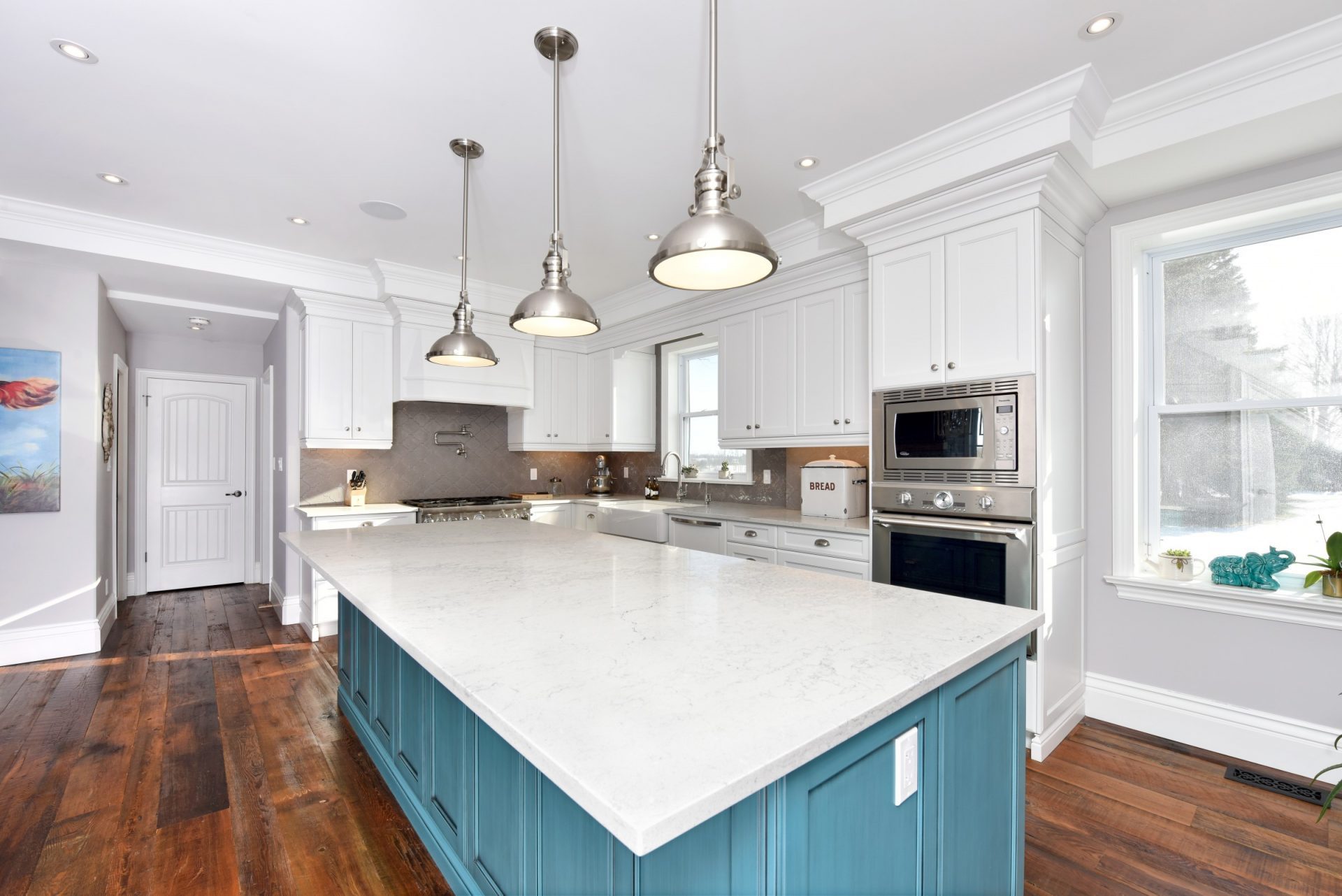
Estimating costs is about more than guessing a total. It requires breaking your project into parts and assigning values to each. Start with the overall square footage of your kitchen and the level of finishes you want. Then divide the budget into categories: cabinetry, countertops, flooring, appliances, lighting, and labour.
Work with your designer to assign realistic numbers to each category. A professional can show you what to expect based on recent projects of similar size and scope. Keep in mind that small adjustments, like changing cabinet hardware or selecting a different backsplash material, can add up quickly. This is why having guidance makes a difference.
One of the biggest mistakes homeowners make is underestimating labour. Installation requires time and skilled trades, and this budget portion should never be minimized. By accounting for these details, you create an estimate that reflects the investment needed.
A carefully built estimate allows you to compare options and make informed decisions. It turns an intimidating process into one where you feel in control. With this approach, your budget for a kitchen build becomes a practical tool, not just a guess.
How Can You Balance Quality & Cost Effectively?
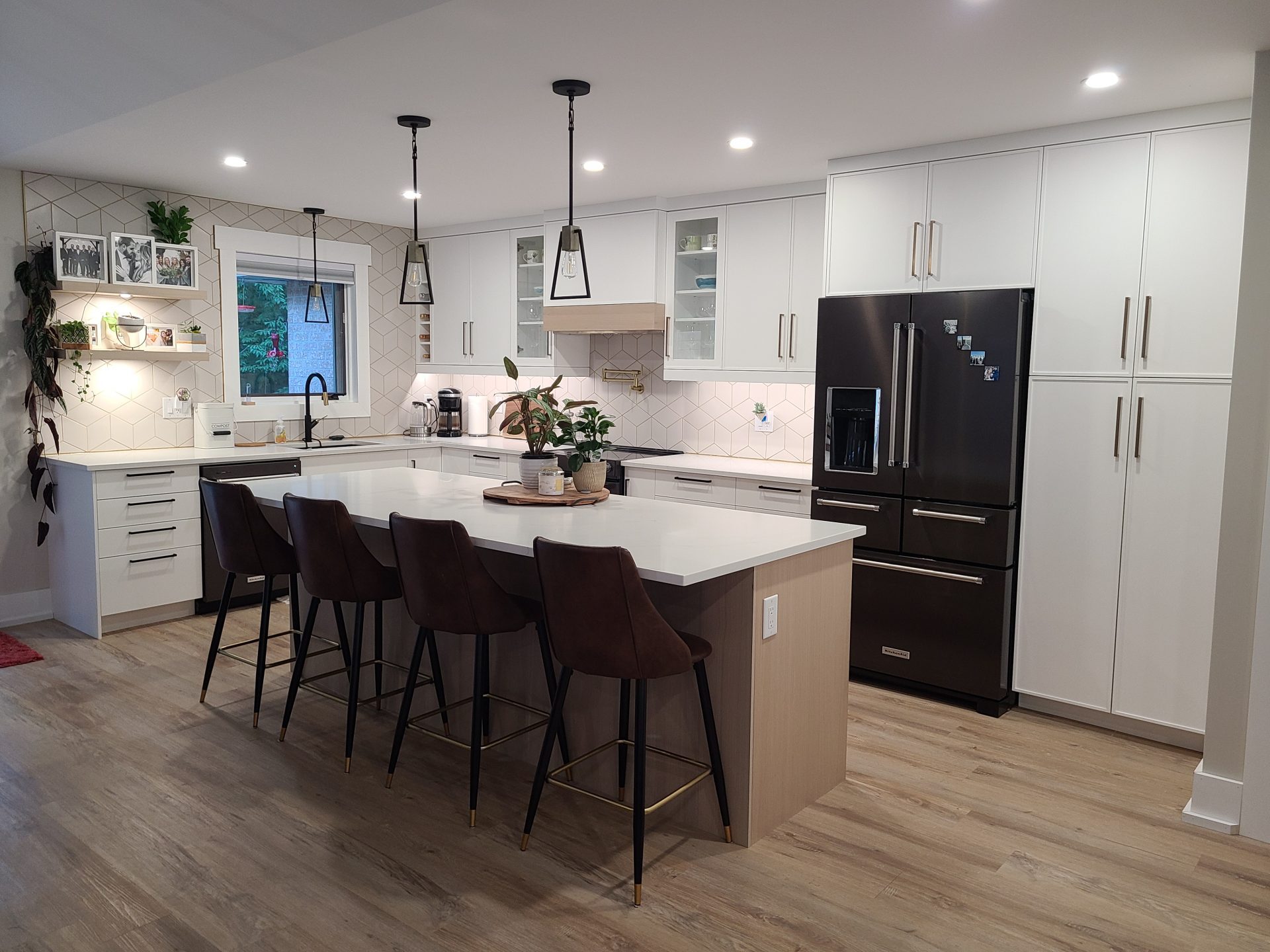
Balancing quality and cost is about making smart choices, not cutting corners. You don’t need to choose the most expensive option for every element, but you also don’t want to sacrifice durability for short-term savings.
Invest most in the areas that affect how your kitchen functions every day: cabinetry, layout, and appliances. These elements are used constantly, so quality here makes a real difference. In contrast, finishes such as backsplash tiles or light fixtures can often be adjusted to stay within budget without affecting performance.
Working with professionals also helps balance cost. Experienced designers recommend products that fit your budget while meeting your expectations for longevity. They guide you toward selections that provide the best value, so you never feel like you are settling.
At Sutcliffe Kitchens, this balance is part of our process. Our designers listen to your priorities, suggest alternatives when needed, and provide customer service that makes budgeting feel less stressful. With one coordinated team from design through installation, you get the reassurance that your investment is managed responsibly.
By focusing on both quality and cost, you can find a kitchen that fits your life, your home, and your finances.
Bringing It All Together
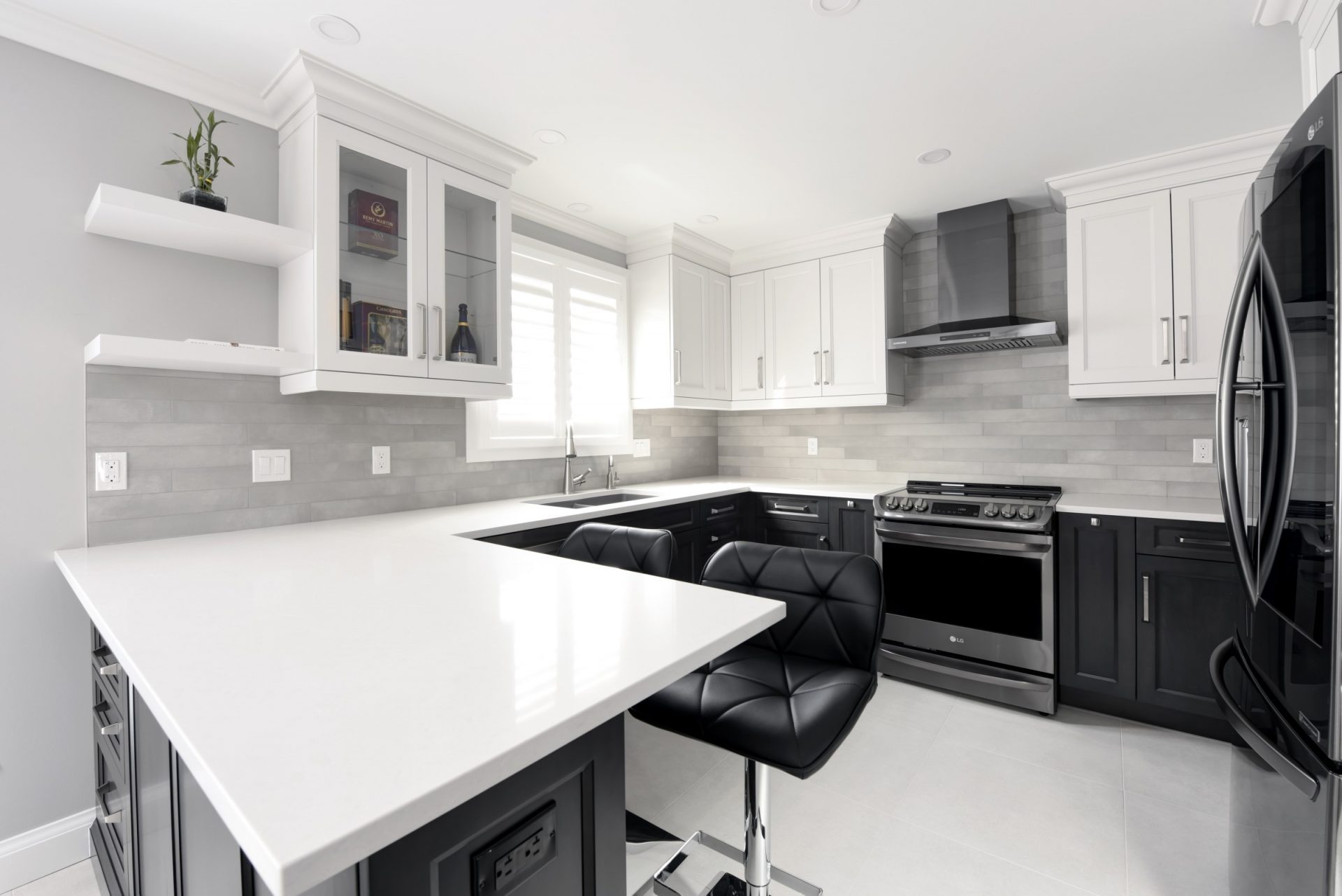
Planning a budget for a kitchen build does not need to feel overwhelming. By setting a realistic range, applying smart kitchen remodeling budget tips, understanding the cost breakdown of a kitchen renovation, and carefully estimating kitchen build expenses, you protect yourself from stress and surprises. The right professionals help you balance quality with cost, giving you both confidence and peace of mind.
If you are ready to start your project, now is the time to take the next step. Book a consultation with Sutcliffe Kitchens and see how a dependable, detail-focused team can guide your kitchen renovation from start to finish.
Summary
This guide showed you how to plan a budget for a kitchen build that avoids surprises. With practical kitchen remodeling budget tips, a clear cost breakdown of a kitchen renovation, and guidance on estimating kitchen build expenses, you can prepare with confidence. Working with professionals ensures your project stays on track while balancing cost and quality.